


A small device, a drop of sample, and an inexpensive electrode instead of large laboratory instruments costing millions. A research team from the J. Heyrovský Institute of Physical Chemistry of the Czech Academy of Sciences is developing a method that could significantly expand the capabilities of affordable electrochemical analyzers. In a new study, the researchers demonstrated that these devices can be used to determine the concentration of the antidepressant trazodone in urine. In the future, such measurements could help clinicians better monitor how individual patients metabolize this medication. The research was published in the journal Talanta.
When two people take the same medication, their bodies do not necessarily process it in the same way. One person may absorb and eliminate the drug more quickly, while another may metabolize it more slowly. This is why it is important to determine how much of a drug is present in the body. Such information can indicate whether a patient is metabolizing the medication properly and whether the dosage should be adjusted.
Affordable devices, complex samples
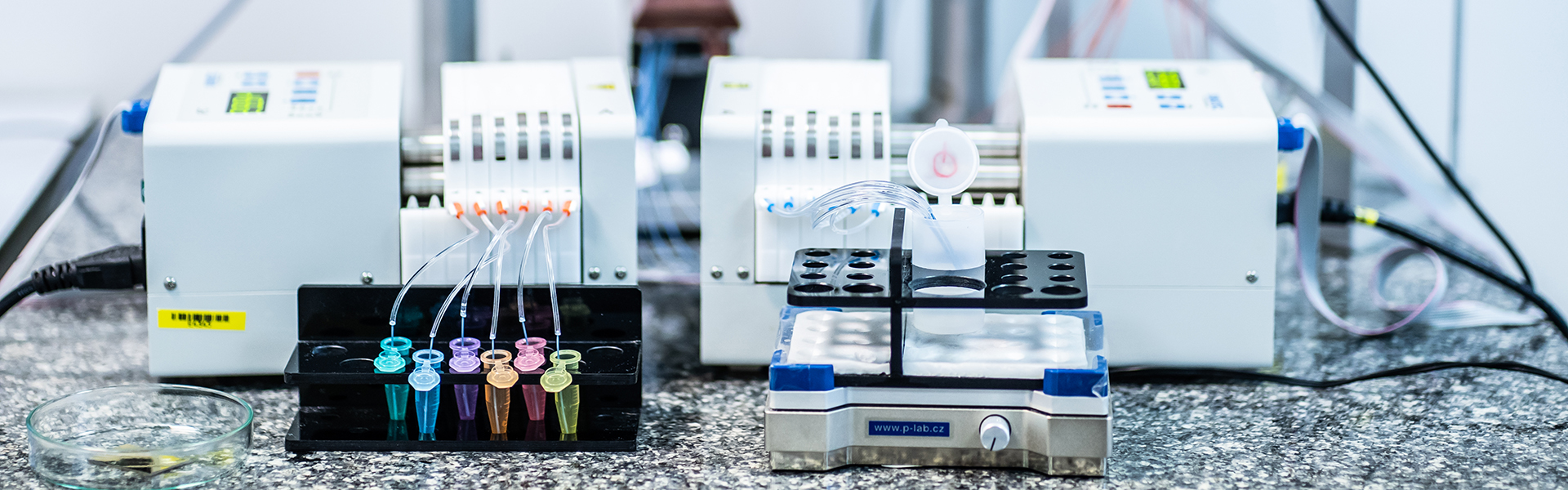
Today's electrochemical analyzers can be small, portable, and relatively inexpensive. The measurement itself is straightforward: a small amount of sample is applied to a chip-based electrode, and the instrument detects the signal produced by the target compound.
The challenge is that biological samples such as urine or blood contain many other substances that interfere with the measurement. Although the analyzer is highly sensitive, the target signal can easily become lost in the background noise of such complex mixtures.
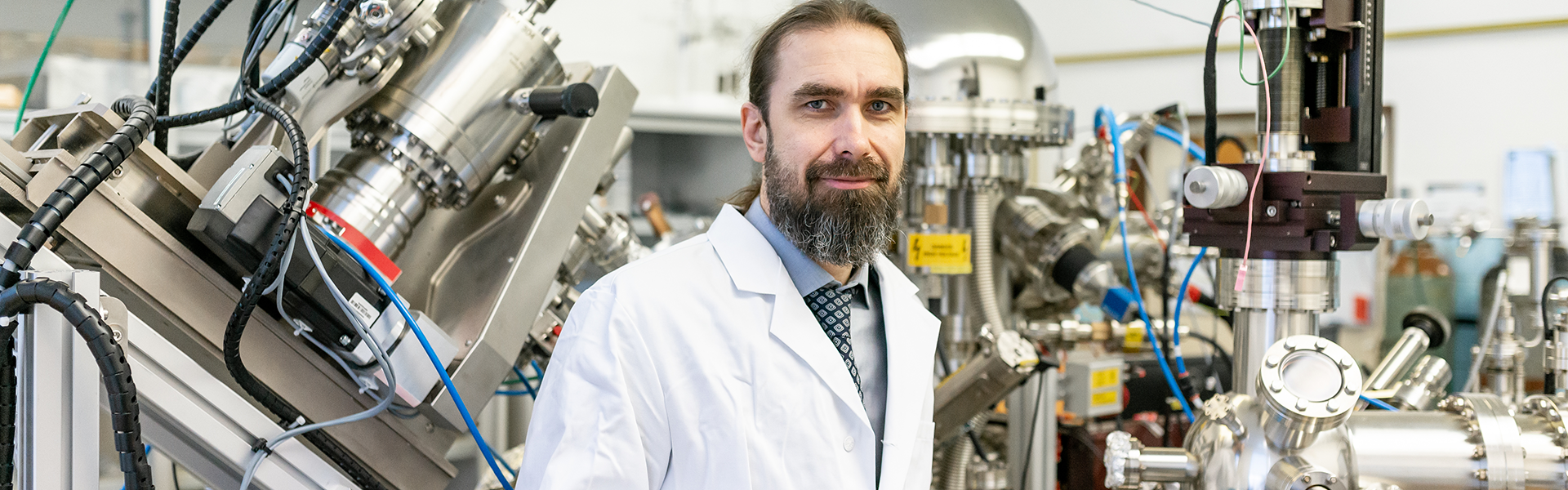
"Our goal is to expand the capabilities of electrochemical analyzers so that they can be used with more complex biological samples. We want to preserve the simplicity and low cost of the measurement while adding a sample preparation step that cleans up and concentrates the analyte before the actual analysis," explains Vojtěch Hrdlička from the J. Heyrovský Institute of Physical Chemistry of the Czech Academy of Sciences.
A hollow fiber that helps isolate the target compound
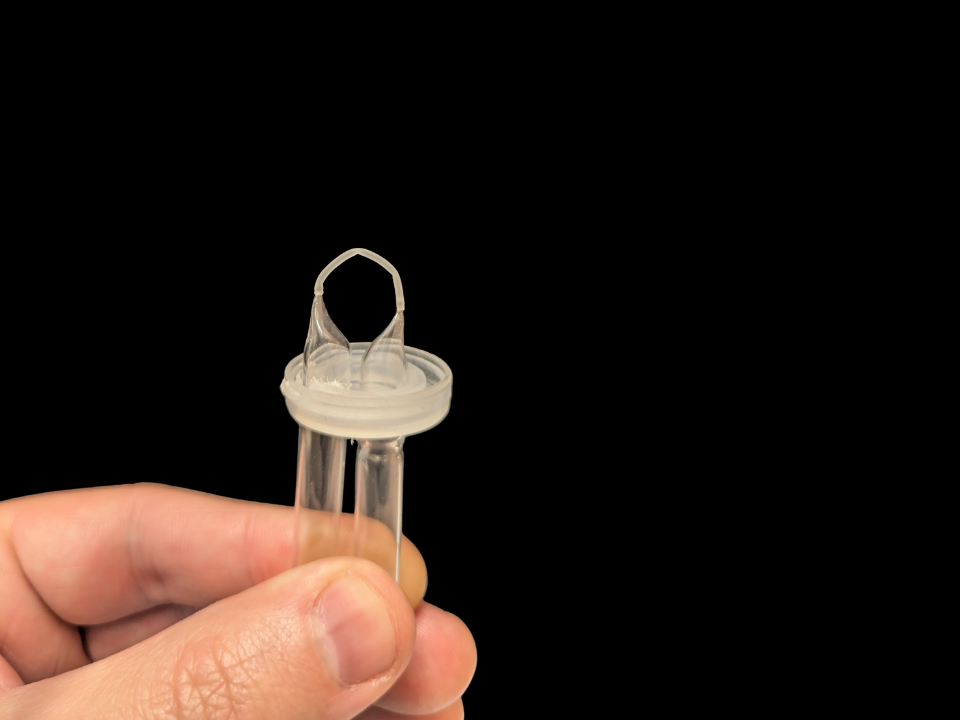
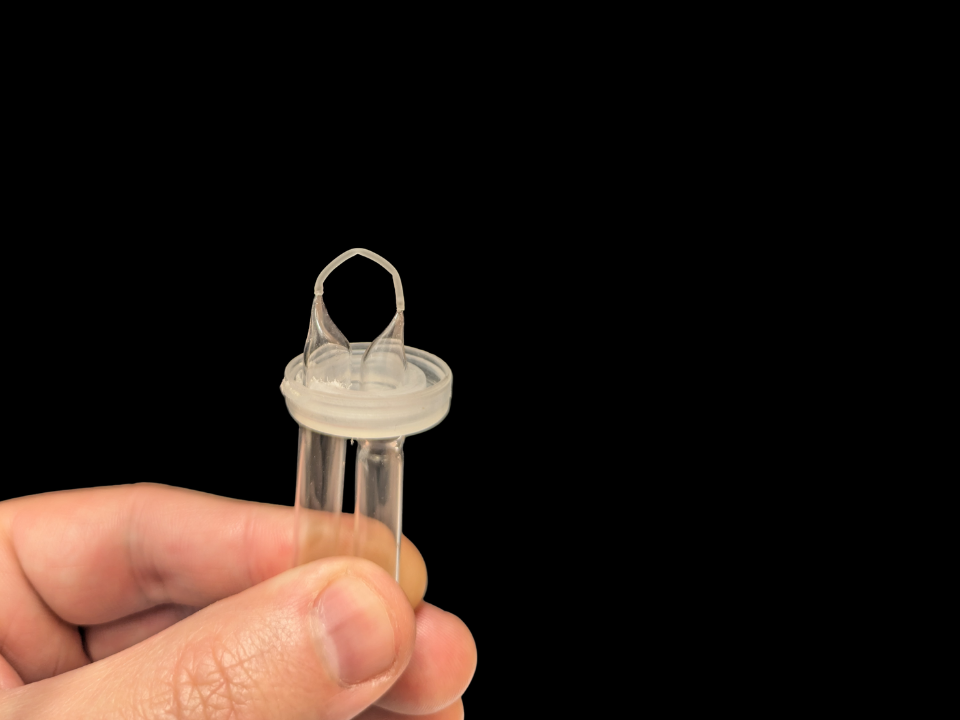
A key element of the method is hollow-fiber microextraction. In simple terms, it uses a thin hollow fiber whose wall acts as a selective membrane. The membrane separates the target drug from substances that would otherwise interfere with the measurement while simultaneously concentrating it into a much smaller volume. As a result, the analytical signal becomes easier to detect.
The researchers tested the method using human urine samples spiked with known concentrations of trazodone. The results demonstrated that the combination of a chip-based electrochemical sensor and hollow-fiber microextraction can reliably determine the drug even at very low concentrations.
Applications beyond medicine
The study represents an important step toward simpler and more accessible analytical tools. In the future, a similar approach could be used to monitor other pharmaceuticals in biological samples.
The technology also holds promise for environmental monitoring. Because the microextraction step concentrates the target compound, it could enable the detection of extremely low concentrations of pollutants in water, including rivers, ponds, and wastewater.
"Clinical applications are certainly attractive, but translating the method into routine practice will take time. At the same time, we see great potential in environmental analysis, where this approach could enable faster field measurements," says Hrdlička.
Research supported by the AMULET project
The research team from the J. Heyrovský Institute of Physical Chemistry of the Czech Academy of Sciences included Vojtěch Hrdlička, Oleksandra Labzová, and Tomáš Navrátil. The study was carried out in collaboration with the research group of Renáta Šelešovská at the University of Pardubice.
The work was conducted within the AMULET (Advanced MUltiscaLe Materials for Key Enabling Technologies) project, funded by the Jan Amos Komenský Operational Programme of the Ministry of Education, Youth and Sports of the Czech Republic and co-funded by the European Union. The project focuses on the development of advanced multiscale materials with broad application potential in fields such as electronics, medicine, and environmental technologies.